
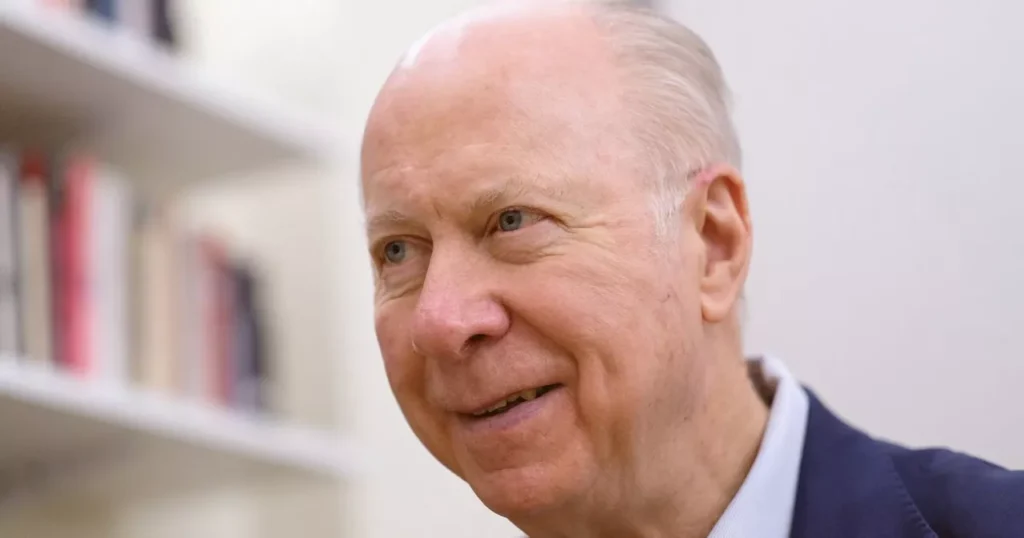
The world lost a great man in David Gergen last week. Gergen was noted for his many jobs in politics and public service – including serving in the administrations of four U.S. Presidents of both political parties.
What is less known to many is the roots of his service mindset.
Gergen grew up in Durham. His father was a mathematics professor at Duke, and Gergen started his career by interning for North Carolina Governor Terry Sanford and becoming involved in civil rights efforts.
For anyone who saw Gergen speak as a commentator on networks like CNN, it was easy to appreciate his calm demeanor and honest, open-minded approach to politics and current events. Gergen wasn’t about spin – he was about truth.
Our friends at Public Ed Works interviewed Gergen in 2016 for a piece they were doing about North Carolina’s HB2. Gergen’s thoughts about the impact harmful, discriminatory policies could have on North Carolina ring truer than ever today, on both a state and national level.
Here are some of Gergen’s remarks from 2016:
“I had the privilege of growing up in North Carolina. I came of age in the 1960s. North Carolina was at the forefront of moving to become what they call the new South, moving from an old south to the new South. And that has brought enormous progress to our state. We went from being a dirt poor state to becoming now one of the most innovative states in the country where students flock to North Carolina. And I see the progress now being threatened by a growing sense that North Carolina wants to go backward, not forward into the 21st century. We’re getting calls from some parents. We we’re getting messages from our friends saying, I was really thinking about coming to school in North Carolina, but I want to think about it some more. I’m not quite sure whether I’ll be welcome. And that’s also going to apply to faculty. One of the strengths of our public universities is at Chapel Hill, NC State, and across the state … these out-of-state students have been really, really important to enriching the culture and the economic fabric of the state. And faculty members, which we’ve attracted in great numbers …
… This is a time to rally behind the institutions of higher education, whether they’re public or private. I cannot stress enough that in an innovative economy when so much emphasis is placed on knowledge and breakthroughs in the life sciences and digital economy and energy and so many different areas where our engineering schools are all important, where our science labs are so important, where our medical facilities are so important, the medical research, we have to have the very best public and private universities in the country in order to attract the very best people.”
Gergen saw what intolerance could do to our system of higher education nearly a decade ago. Today, we face growing challenges across the country when it comes to higher education – and it goes even further than intolerance.
Gergen’s thoughtful voice and steadfast commitment to the betterment of society will be sorely missed. It’s up to us to heed his call and carry on his legacy.